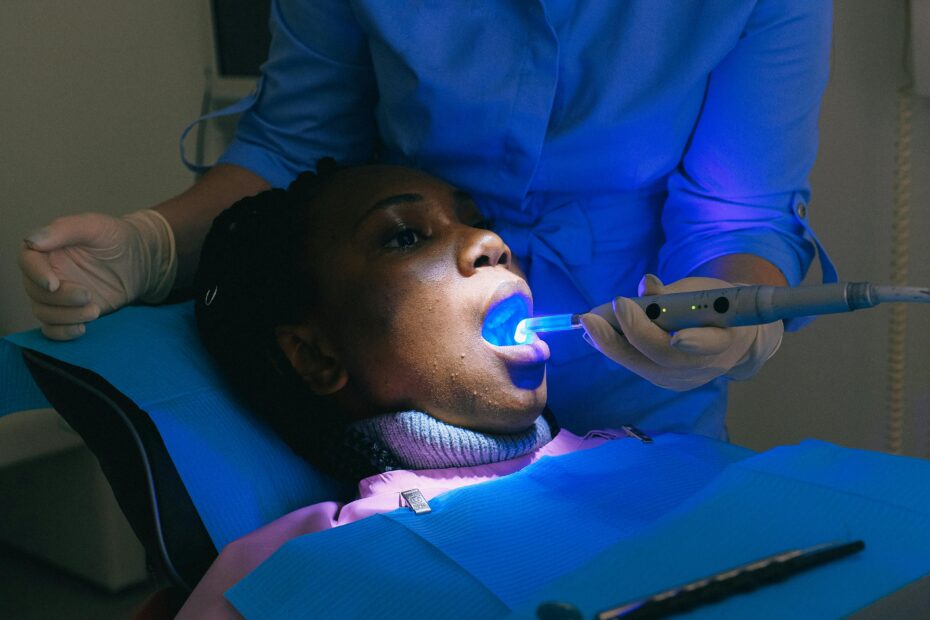
Dental cysts, the fluid-filled sacs that develop in the mouth or jaw, can quietly damage teeth and jawbone if left untreated.
A dental cyst is a closed cavity filled with liquid or semi-solid material that usually develops in the soft tissues of the mouth, such as the gums or lips, or around a tooth that has not yet erupted from the jawbone.
Although most dental cysts are non-cancerous (benign), they can grow aggressively and cause serious complications affecting nearby teeth, bone, and surrounding tissues. According to dental practitioners at Rela Dental Clinic, many patients only discover cysts during routine dental scans because they often develop without noticeable symptoms in the early stages.
How Dental Cysts Develop
Dental cysts commonly form when the pulp of a tooth dies due to infection, decay, or trauma. When this happens, inflammatory processes begin around the tooth root, and fluid may accumulate, forming a cyst. As the cyst grows larger, it can place pressure on surrounding bone tissue and nearby teeth. Over time, this pressure may erode the jawbone structure and weaken the affected tooth, sometimes requiring tooth removal.
Symptoms to Watch For
Small or uninfected dental cysts may not show obvious signs. However, when the cyst increases in size, patients may experience several symptoms, including:
- Persistent tooth pain
- Pressure in the jaw
- Swelling and redness of the gums
- A noticeable lump or blister-like swelling inside the mouth
Because many cysts remain silent for long periods, dentists often detect them through X-rays or advanced diagnostic scans during routine dental examinations.
Potential Complications
If left untreated, dental cysts can lead to severe oral health problems. Specialists warn that even small cysts should be treated because they may eventually result in:
- Dental infections
- Tooth loss
- Benign jaw tumours such as ameloblastomas
- Weakening of the jawbone, which may lead to fractures
In extreme cases, extensive damage may require the removal of part of the jawbone during treatment.
Types of Dental Cysts
Dentists classify dental cysts into several types depending on where and how they develop.
One of the most common is the dentigerous cyst, which forms around the crown of an unerupted tooth, often associated with impacted wisdom teeth. Another frequent type is the periapical or radicular cyst, which develops at the root of a tooth after the nerve inside the tooth becomes infected or dies.
Other forms include mucoceles, which occur in the soft tissues of the lips, cheeks, or tongue due to irritation or trauma, and odontogenic cysts, a group of cysts that develop within the jawbone and may grow significantly before detection.
Treatment Options
Treatment for dental cysts varies depending on their size and location. In some cases, dentists may surgically remove the cyst entirely while preserving surrounding tissues. Another technique known as marsupialisation involves opening the cyst to allow it to drain, which reduces pressure and prevents further growth.
If the cyst has severely affected the tooth, root canal treatment or tooth extraction may also be necessary. Dental professionals recommend advanced imaging, such as a CT scan, to accurately determine the cyst’s size and position before selecting the best treatment approach.
Recovery After Surgery
Cyst removal procedures are generally performed under local anaesthesia or sedation, meaning patients experience little to no pain during surgery. In most cases, healing of the gums and surrounding tissue occurs within a few weeks, unless more extensive bone or tooth removal is required.
Preventing Dental Cysts
Maintaining good oral hygiene remains one of the most effective ways to prevent dental cysts and other oral health problems.
Dentists advise the public to:
- Brush teeth at least twice daily
- Floss regularly
- Attend dental check-ups every six months
- Treat tooth decay or infections early
Healthy teeth are far less likely to develop cysts.
Protecting Your Oral Health
Dental specialists emphasise that regular dental visits are critical because many oral conditions develop silently before symptoms appear. Early diagnosis and treatment can prevent serious complications and protect both oral health and overall well-being.
For professional dental evaluation and treatment, patients can contact Rela Dental Clinic.
0785836641
www.reladentalclinic.com
Regular dental check-ups remain the best defence against hidden oral conditions such as dental cysts.